The Hidden Costs of Neglected Car Maintenance: A Guide for Hoppers Crossing Drivers
Oct 12, 2026
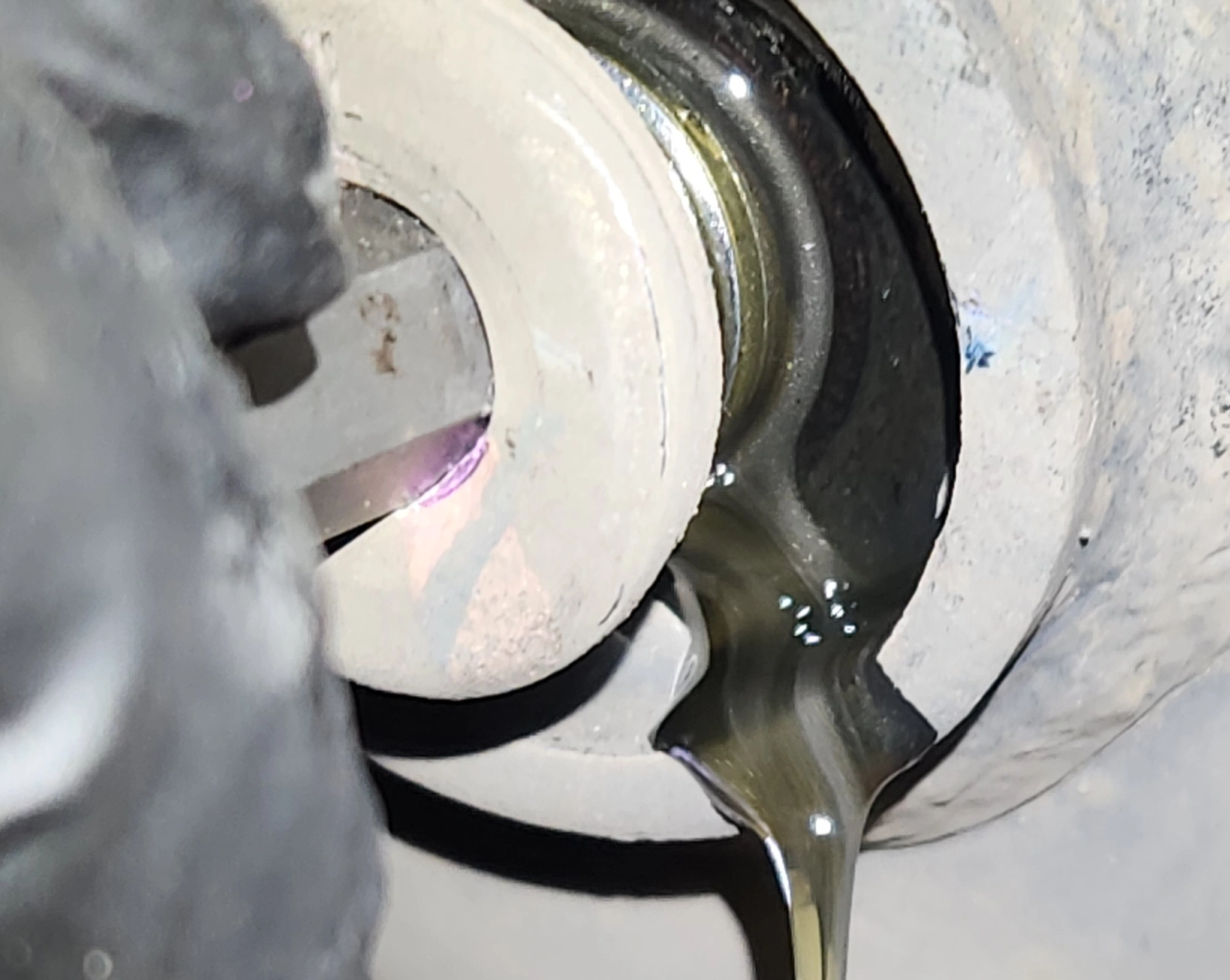
Skipping a routine service might seem like a simple way to save money, but postponing basic car maintenance often leads to costly repairs, unexpected breakdowns, and serious safety risks. For vehicle owners in Hoppers Crossing and surrounding Wyndham suburbs, keeping up with regular servicing is essential for protecting your vehicle's reliability and long-term resale value.
At SmartAuto Hoppers Crossing, we frequently see how small, overlooked maintenance items quickly escalate into major mechanical failures. Here is what happens when routine car maintenance is neglected—and how local drivers can avoid major unexpected repair bills.
1. Engine Oil Neglect: The Road to Engine Failure
Engine oil lubricates critical moving parts, reduces internal friction, and draws harmful heat away from the engine block. Over time, heat and contamination break down oil, turning it into thick, tar-like sludge.
What Happens When You Skip Oil Changes?
Engine Sludge: Degraded oil loses its lubricating properties, clogging narrow oil galleries and starving critical internal components of lubrication.
Overheating and Wear: Increased friction causes metal-on-metal contact, damaging pistons, camshafts, and bearings.
Total Engine Breakdown: Severe oil starvation can seize the engine completely, turning a simple $200–$300 maintenance service into a full engine replacement costing thousands of dollars.
2. Overlooking Brake Wear: Compromising Your Safety
Your braking system relies on friction pads pressing against metal rotors to bring your car to a safe stop. As brake pads wear down, their stopping efficiency decreases.
The Dangers of Ignoring Brakes:
Rotor Damage: Driving with completely worn pads allows metal backings to grind directly against the rotors. What could have been a straightforward pad replacement now requires full rotor replacement or costly disc machining.
Spongy Pedal Response: Brake fluid absorbs moisture over time, lowering its boiling point and introducing air bubbles into the lines. This creates a soft, spongy pedal feel and drastically increases stopping distances.
Component Failure: Moisture-contaminated fluid corrodes internal seals, master cylinders, and brake calipers, leading to total hydraulic failure.
3. Ignoring Tyre Pressure and Tread Depth
Tyres are the only point of contact between your vehicle and the road. Neglecting tyre pressures, wheel alignments, and tread checks directly impacts fuel economy and driving control.
Consequences of Poor Tyre Care:
Premature and Uneven Wear: Incorrect inflation or poor wheel alignment causes tyres to wear out rapidly on one side, forcing you to replace tyres much earlier than necessary.
Reduced Wet-Weather Grip: Driving on worn or balding tread significantly increases the risk of hydroplaning during heavy rainfall on local roads like the Princes Freeway or Sayers Road.
Blowouts: Under-inflated tyres build up excessive heat at high speeds, dramatically increasing the chance of a sudden blowout.
4. Delaying Cooling System Servicing
Melbourne’s fluctuating weather puts heavy stress on your car’s cooling system. Coolant prevents your engine from overheating in summer and protects internal components from internal rust and freezing in winter.
What Coolant Neglect Leads To:
Corrosion and Leaks: Old coolant turns acidic, eating away at aluminum engine heads, water pumps, heater cores, and radiator channels.
Blown Head Gaskets: Severe overheating warps engine components, blowing the head gasket and allowing coolant to mix with engine oil—causing catastrophic internal damage.
5. Postponing Logbook & Scheduled Servicing
Modern vehicles rely on strict manufacturer-specified service intervals to maintain warranty protection and optimal operational standards.
Why Logbook Maintenance Matters:
Voided Warranties: Skipping scheduled services can invalidate your manufacturer’s warranty under Australian Consumer Law if a fault occurs due to poor maintenance.
Lower Resale Value: A vehicle with a complete, stamped logbook commands a significantly higher price on the second-hand market compared to one with missing service history.
Missed Early Warnings: Scheduled logbook services include comprehensive multi-point safety inspections that spot minor leaks, worn belts, or failing suspension bushings before they cause major breakdowns.
Frequently Asked Questions (FAQ)
How often should I get my car serviced in Hoppers Crossing?
Most passenger vehicles require a service every 6 months or 10,000 to 15,000 kilometres—whichever comes first. However, if you perform frequent short trips or heavy stop-and-start driving, more frequent checks are recommended.
Will servicing my car at an independent mechanic void my new car warranty?
No. Under Australian Consumer Law, you are not required to take your car to a main dealership. As long as a qualified mechanic like SmartAuto Hoppers Crossing performs the service according to manufacturer specifications using high-quality parts, your factory warranty remains 100% intact.
What are the warning signs that my car needs immediate maintenance?
Contact a local workshop immediately if you notice:
Squealing, grinding, or clicking noises when braking or turning.
Dashboard warning lights (such as the Check Engine or Battery light).
Unusual engine vibrations, rough idling, or loss of power.
Fluid puddles under your parked vehicle.
Book Your Service with SmartAuto Hoppers Crossing Today
Preventative maintenance is always faster, safer, and far cheaper than emergency repairs. Whether you need a standard oil change, logbook service, brake inspection, or full diagnostic check, our qualified mechanics deliver transparent, high-quality care for drivers across Hoppers Crossing, Werribee, Tarneit, and Truganina.
Address: Hoppers Crossing, VIC 3029
Phone: 0474 007 200
Booking: Call us today or book online to secure your service spot!